
2026, a milestone year for Ktima Gerovassiliou, marking 40 years since its very first harvest in 1986, was a balanced viticultural year, with weather conditions that favored the smooth development of the grapes and their quality.
The year began with a cold, relatively wet winter, which kept the vines dormant and helped replenish the soil’s water reserves. In January, there were several days with sub-zero temperatures, with a low of -2.1°C, while rainfall in January and February totaled 111.8 mm. Consequently, the onset of spring occurred with satisfactory soil moisture.
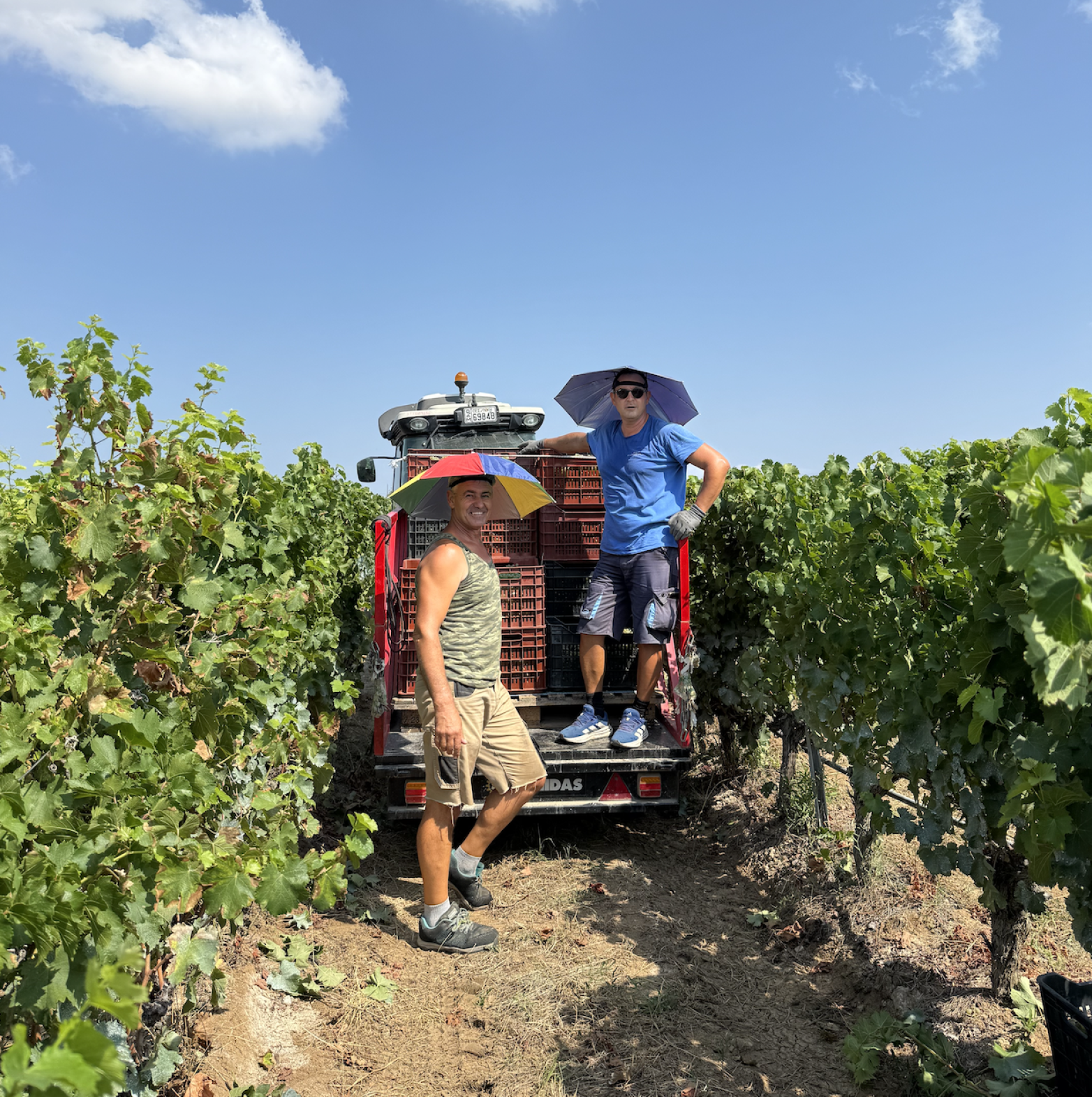
As temperatures gradually rose, budbreak began on March 12 and was completed by March 26. March was relatively mild and particularly dry, with an average temperature of 11°C. In contrast, April had increased rainfall, providing water during intense shoot elongation and leaf area expansion. At the same time, increased humidity, combined with tender vegetation, created favorable conditions for downy mildew development and increased phytosanitary pressure in the vineyard. However, no problems were reported, and vegetative growth continued smoothly.
Flowering was recorded from May 14 to June 2, beginning with Chardonnay. In May, the average temperature was 18.9°C, with 34.2 mm of rainfall, and the gradual rise allowed for the transition from vigorous vegetative growth to flowering and fruit set. June was warmer, favoring rapid growth of young shoots, with sufficient rainfall, mainly immediately after flowering had ended.
In July, conditions shifted to warmer, drier weather as the grapes were entering the next critical stage. Veraison took place from July 11 to July 22, beginning with the earliest-ripening varieties (Sauvignon Blanc, Chardonnay, Viognier, Merlot).
This trend intensified in August, during the ripening period. The average temperature reached 27.5°C, the maximum 36.7°C, and no rainfall was recorded. This helped maintain the grapes’ excellent health, free from disease and extreme weather conditions, while high temperatures and increased evapotranspiration accelerated ripening.
Hot, dry conditions continued the first half of September, with an average temperature of 25.2°C and 8.4 mm of rainfall through September 16, allowing ripening and harvest to proceed without any problems.
The grapes had excellent quality, concentrated aromas, and balance—traits that reflect this year’s growing season, which was shaped by a favorable start and a warm, dry summer, allowing the vines to complete their growth cycle without significant fluctuations.
Early samples inspire optimism for wines with pure character, intense aromas, and balanced structure, consistently expressing both the grape varieties and the unique viticultural potential of Epanomi. The 2026 vintage is expected to be exceptional.


